Italea

Visit the official
website:
www.emigrazione.it/museo/

Contacts

Phone: 347 7541791
Email: info@emigrazione.it

Opening hours:
Updated opening hours can be checked on the museum’s official website:

Thursday to Sunday: 10:00 AM – 1:00 PM / 3:00 PM – 6:00 PM
Closed on: December 25, January 1

Admission tickets:
Full ticket: €5.00
Reduced ticket: €3.00 *

How to get there

Address:
Via Roberto Calai, 9, 06023 Gualdo Tadino, PG, Italy

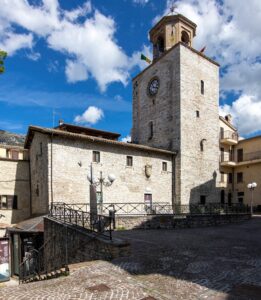
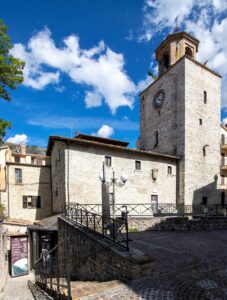
The Museum is located in the historic center of Gualdo Tadino, inside the Palazzo del Podestà. It is easily accessible by private transport. Parking is available in areas adjacent to the center.


History of the Institute and its headquarters

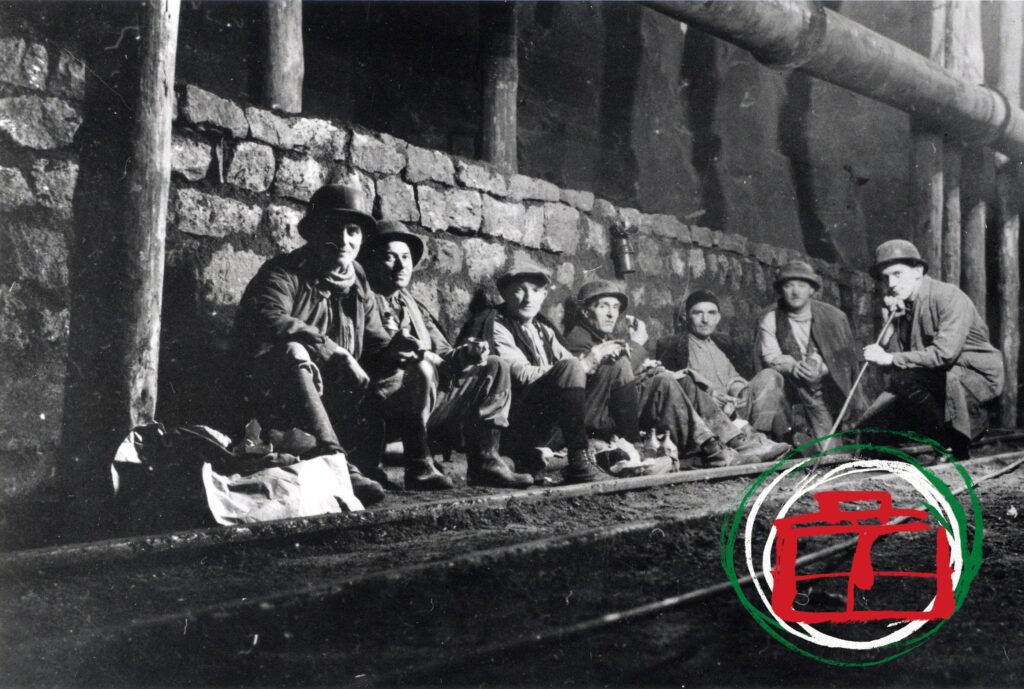
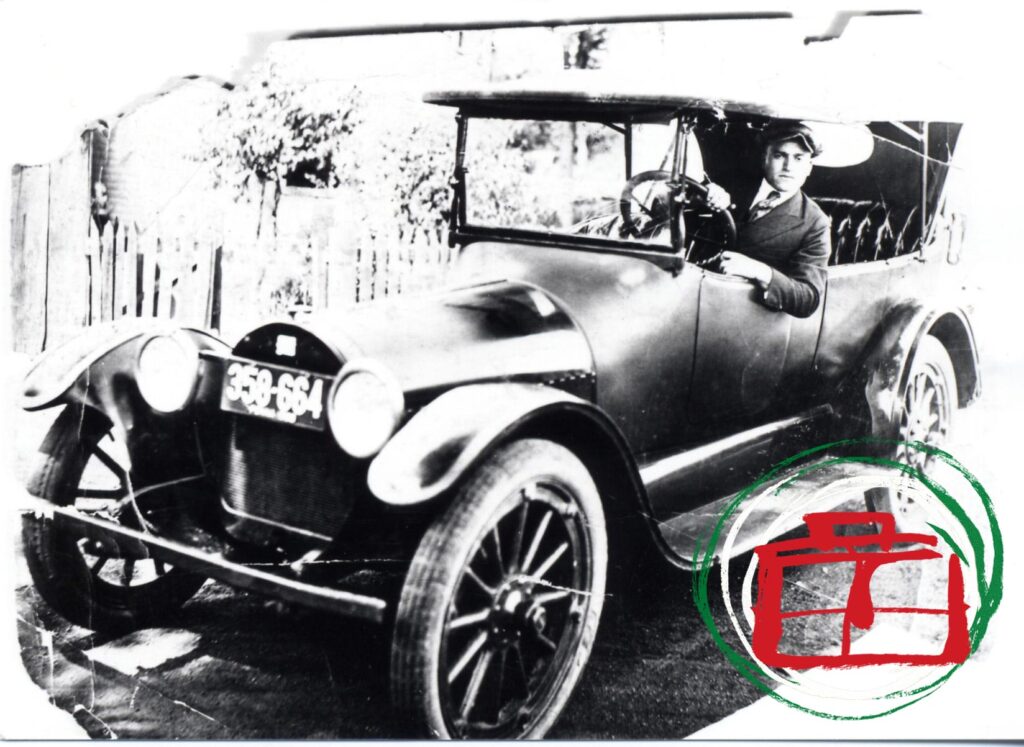
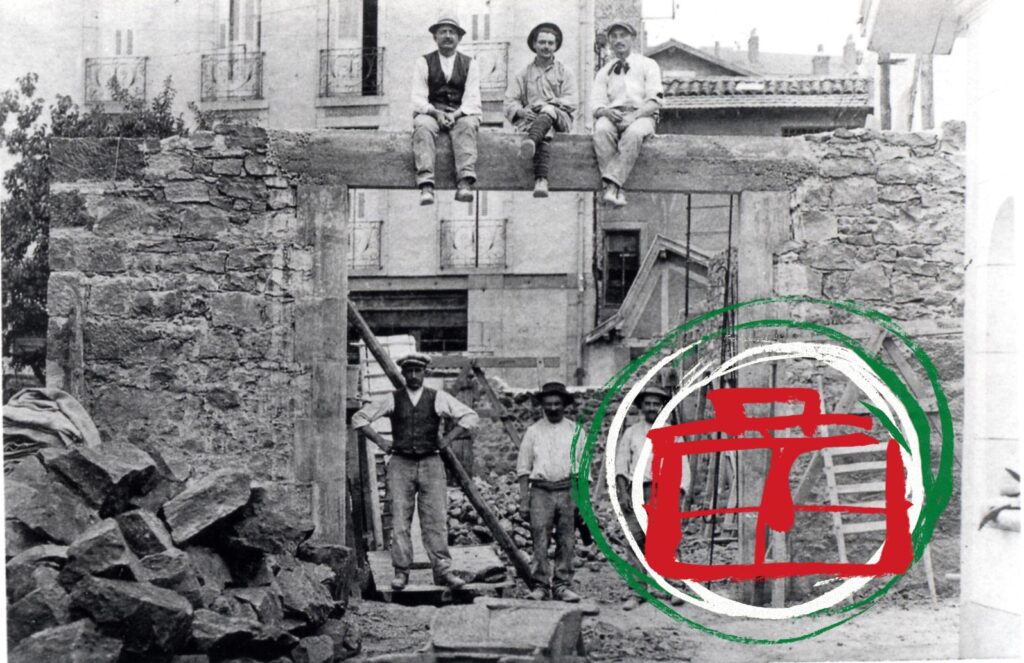
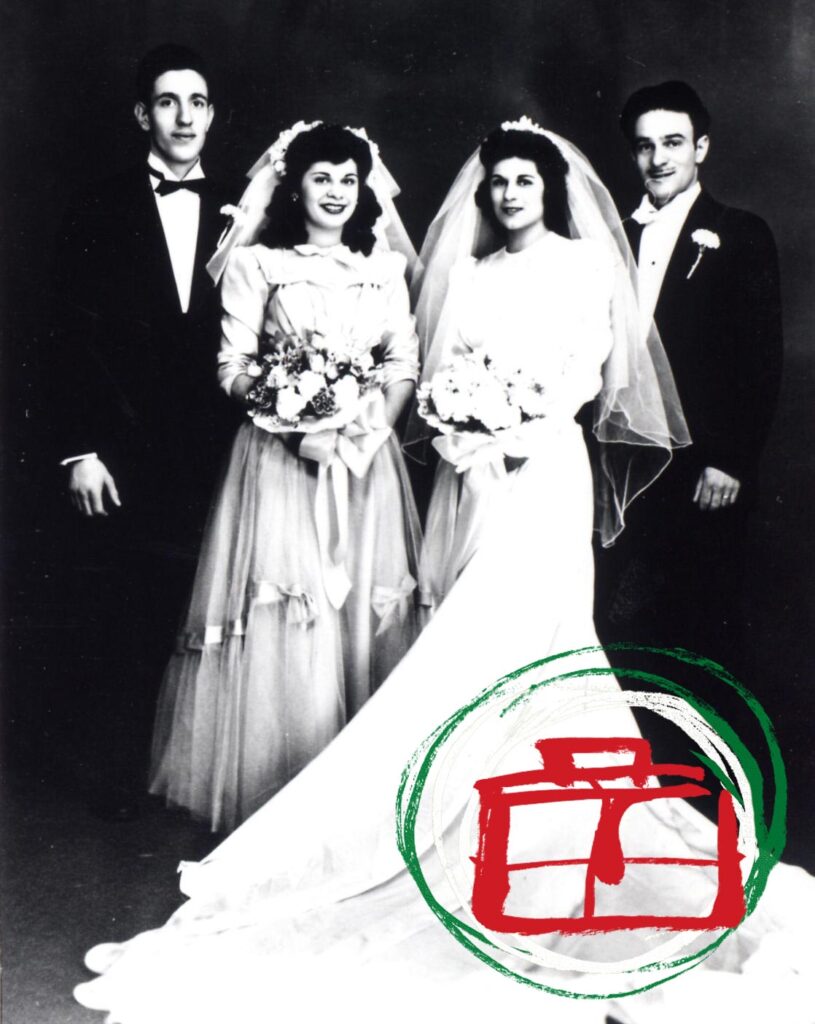
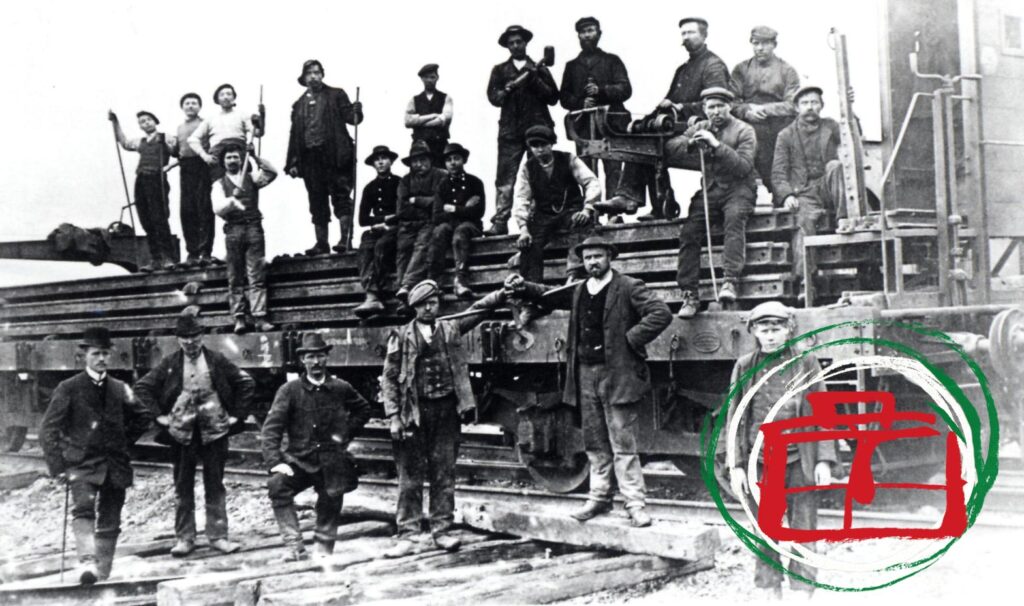
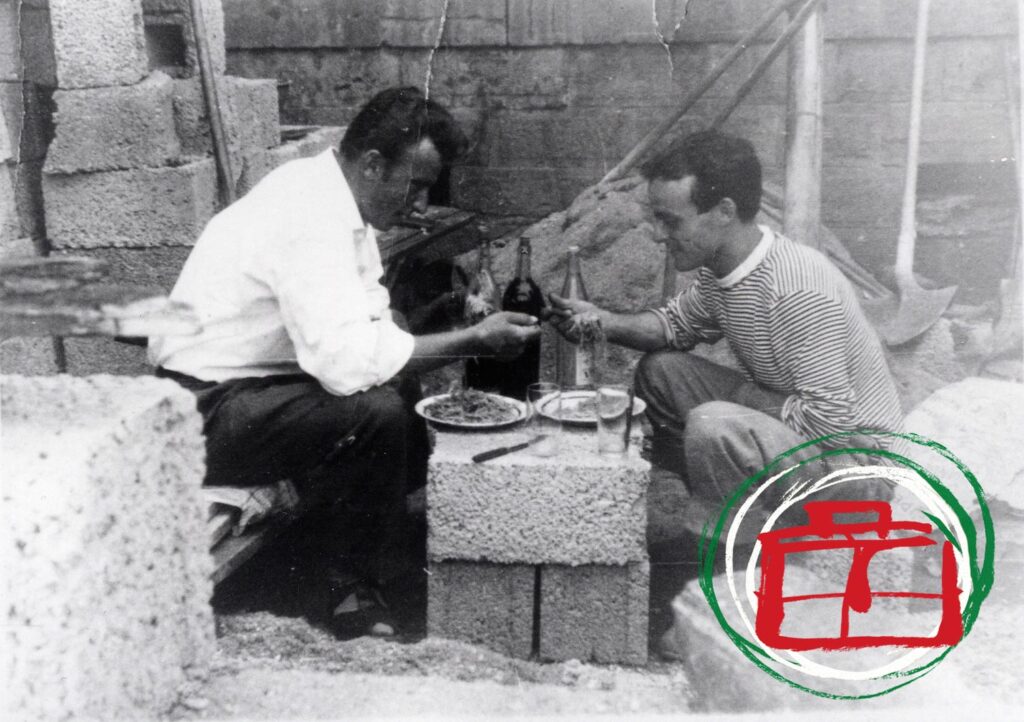
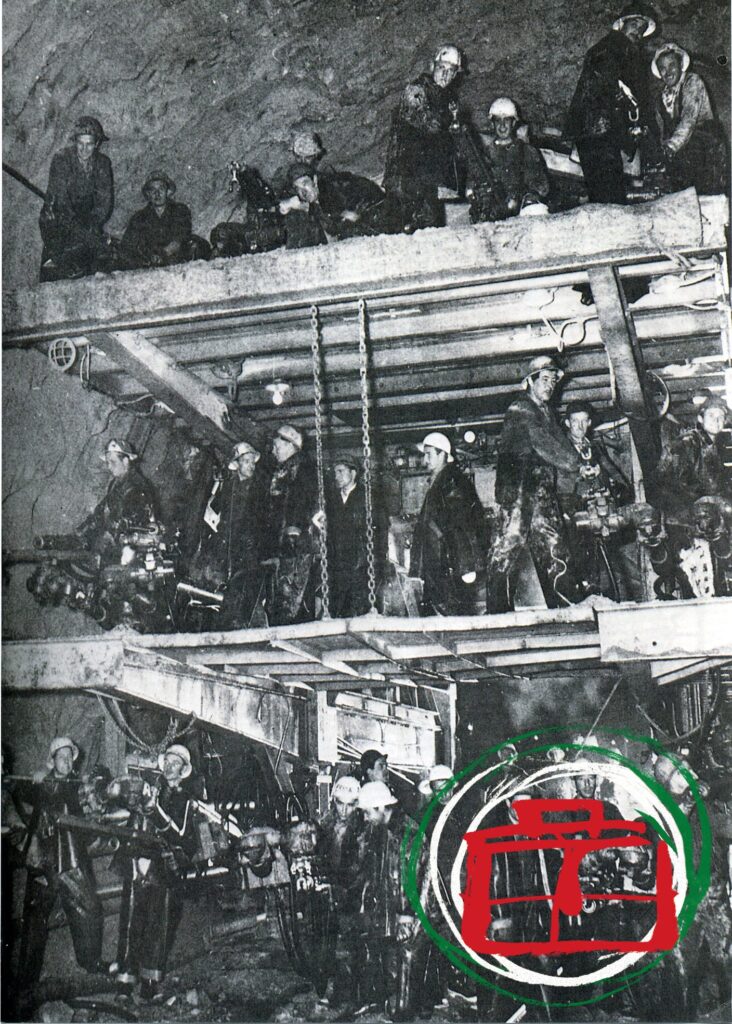
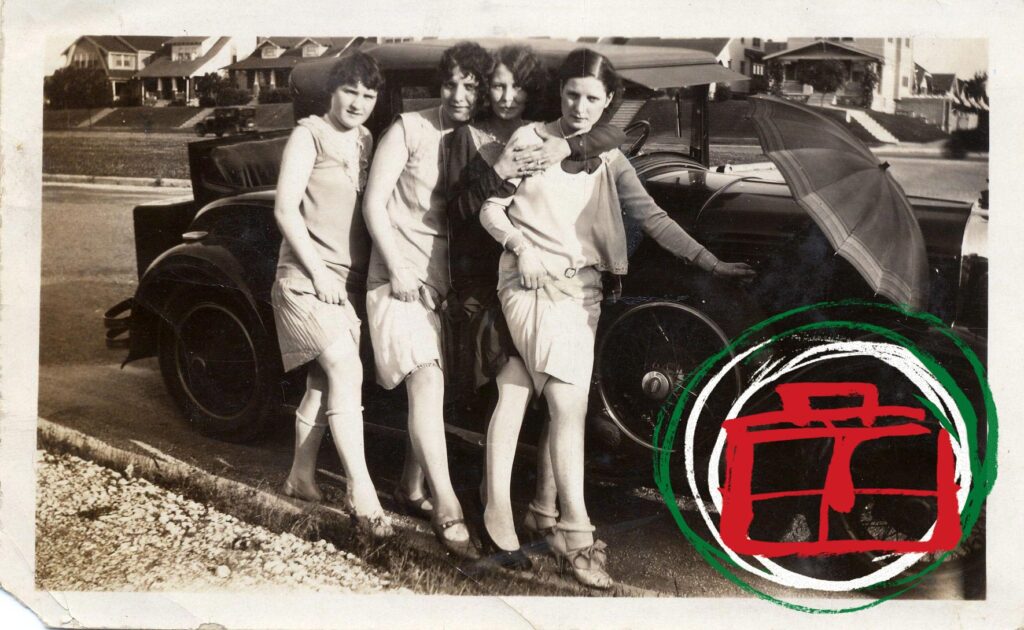
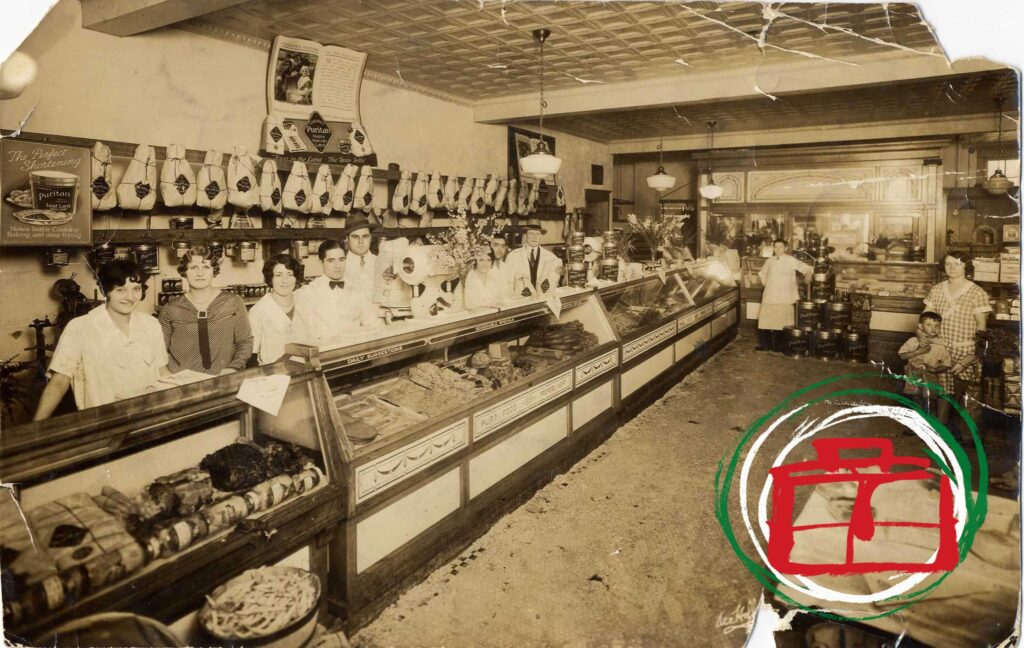
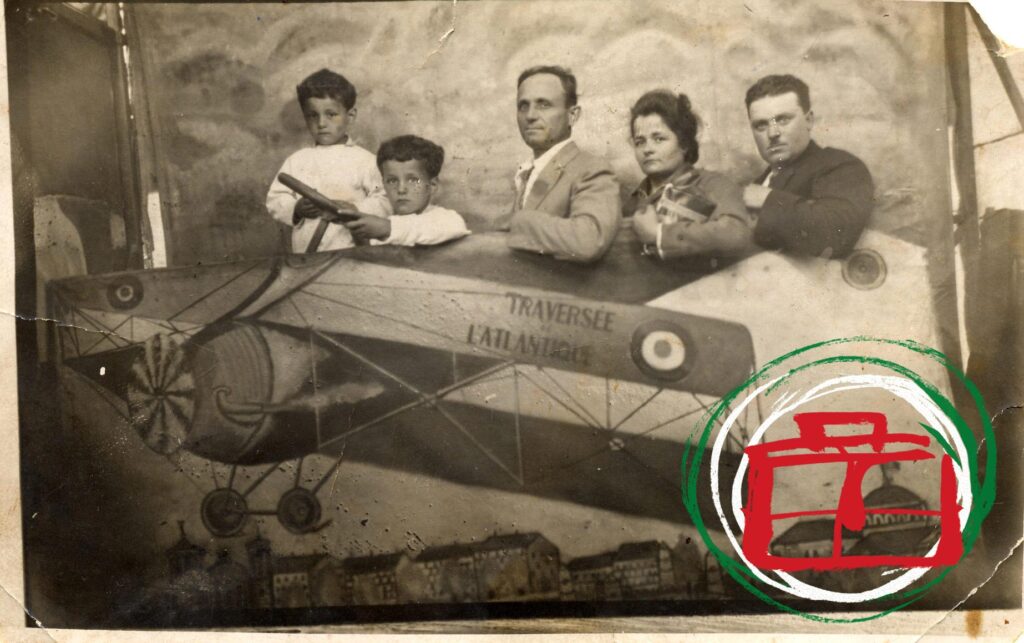
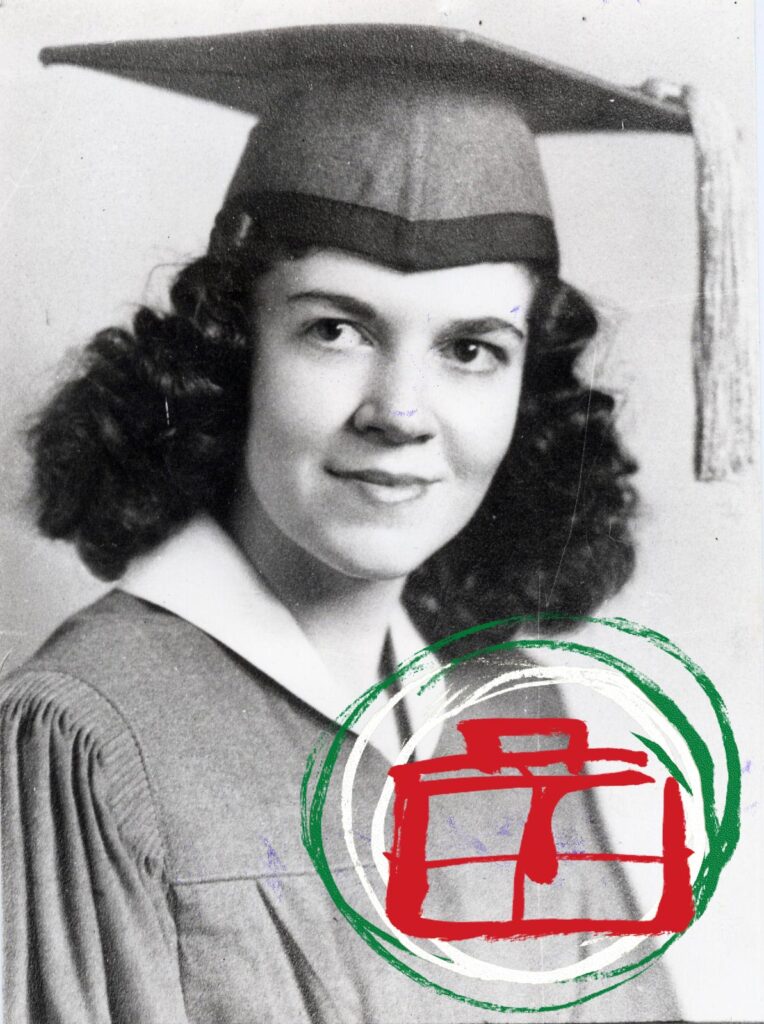
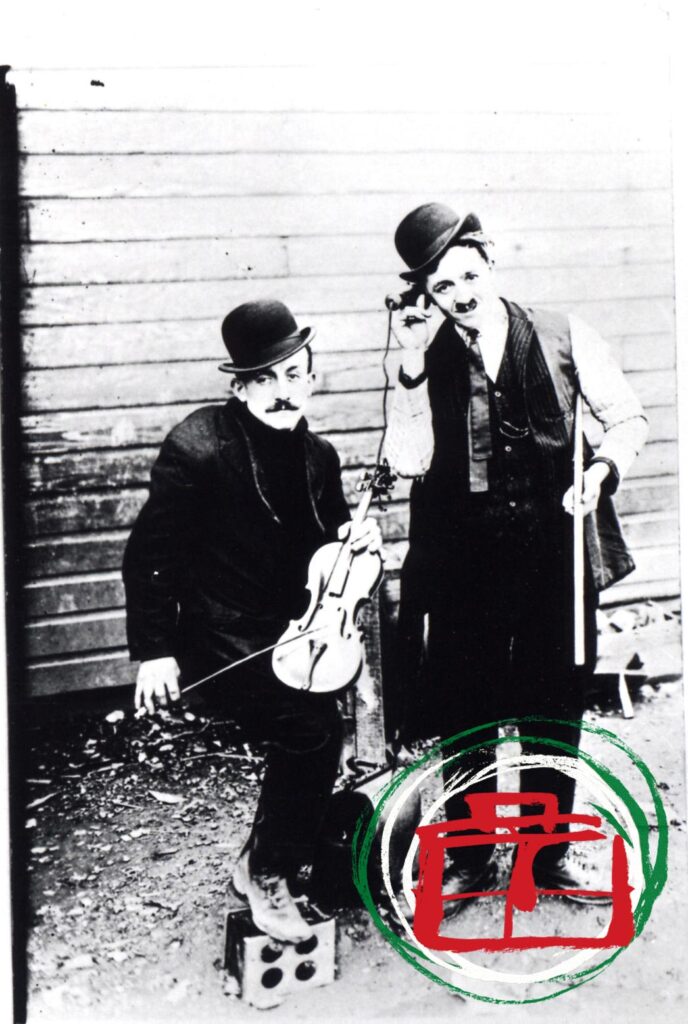
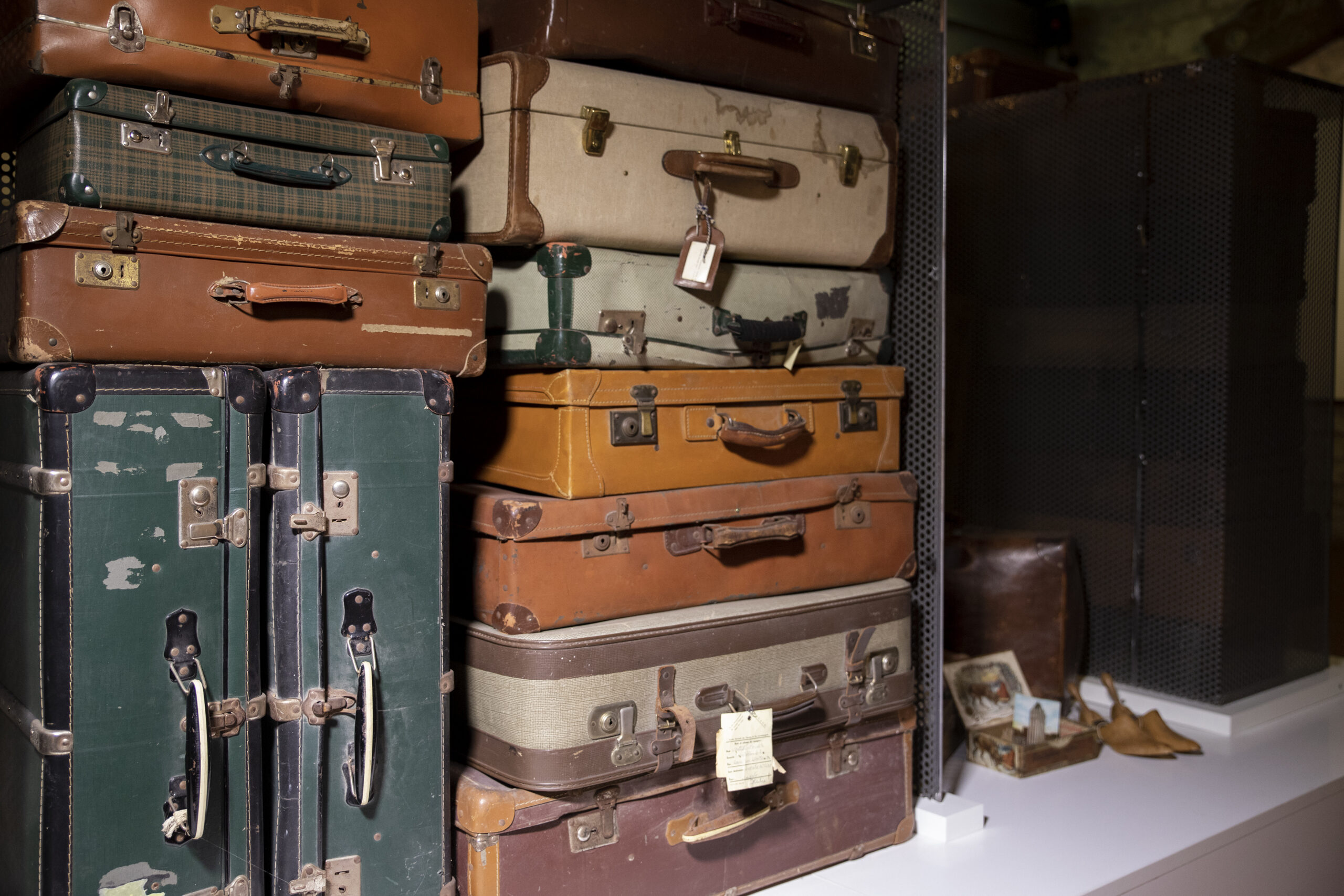
The “Pietro Conti” Regional Museum of Emigration in Gualdo Tadino was founded in 2003 to preserve and promote the memory of millions of Italians who, since the late nineteenth century, left in search of a better future.
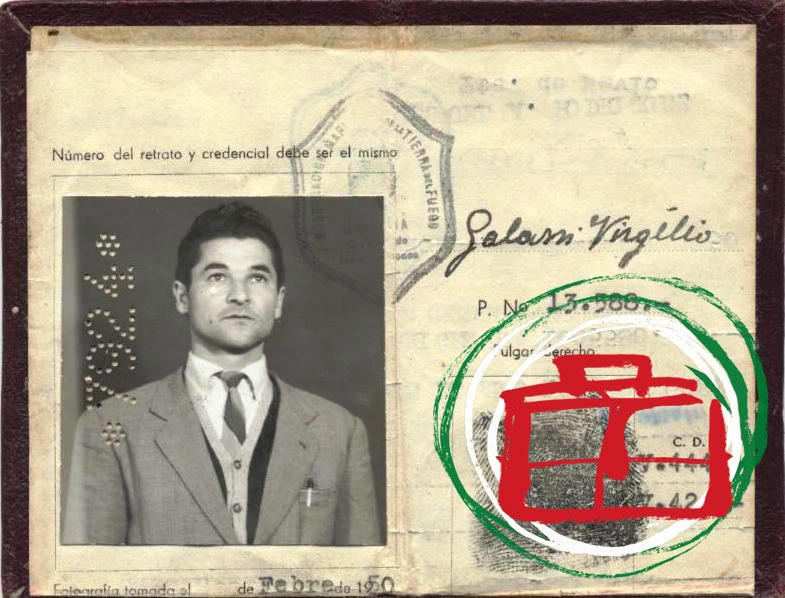
Named for Pietro Conti, the first President of the Umbria region, the museum is dedicated to the human, cultural, and historical heritage of the great migratory exodus that has involved over 27 million people.
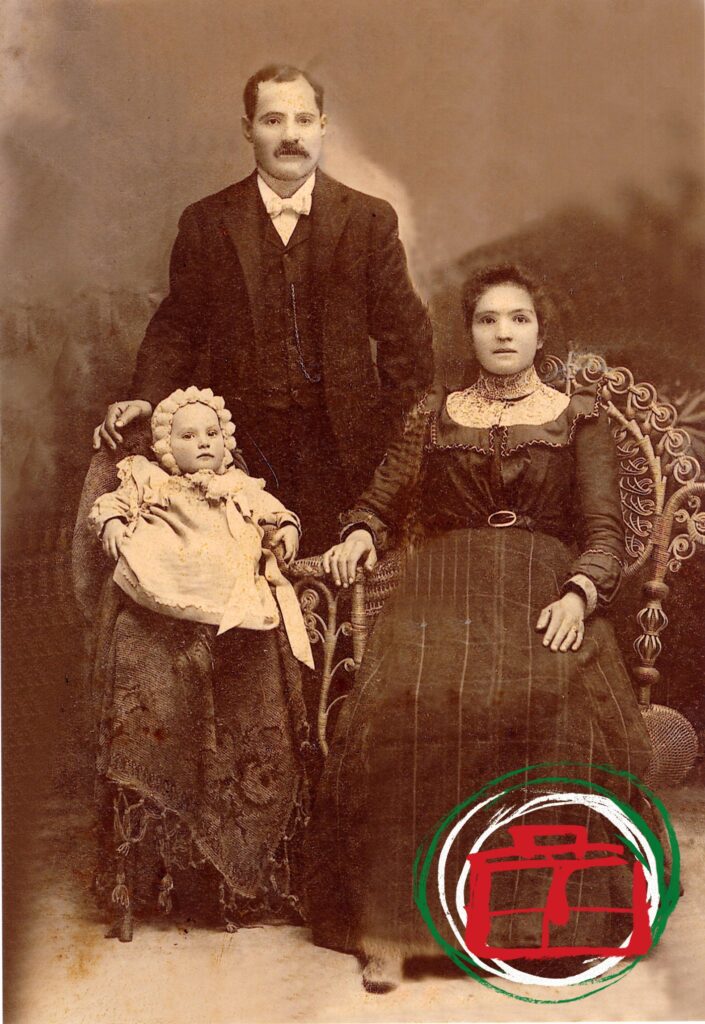
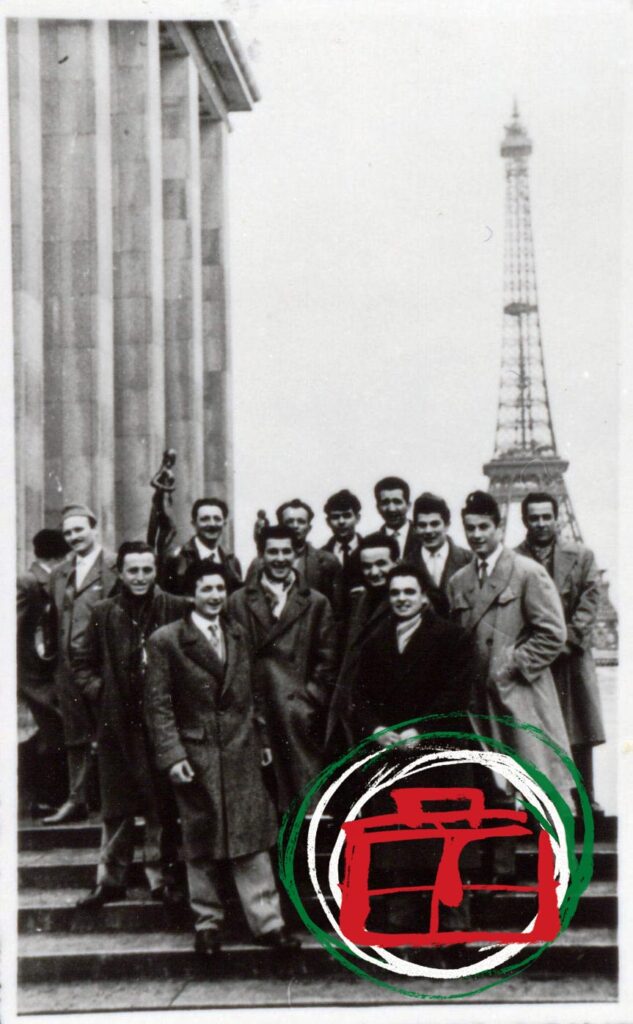
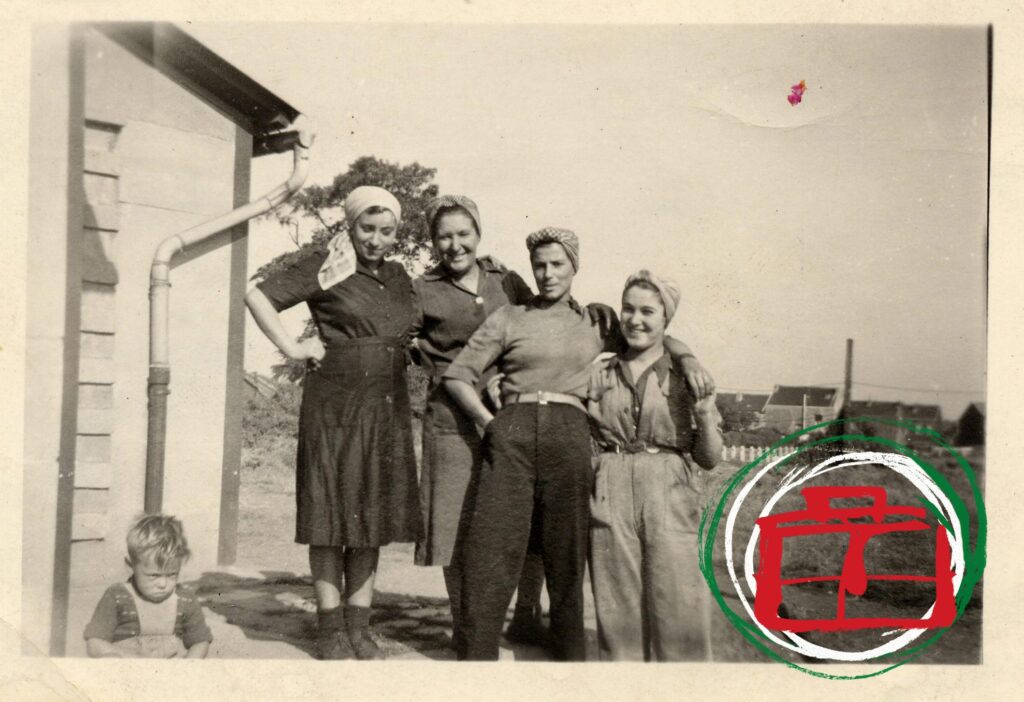
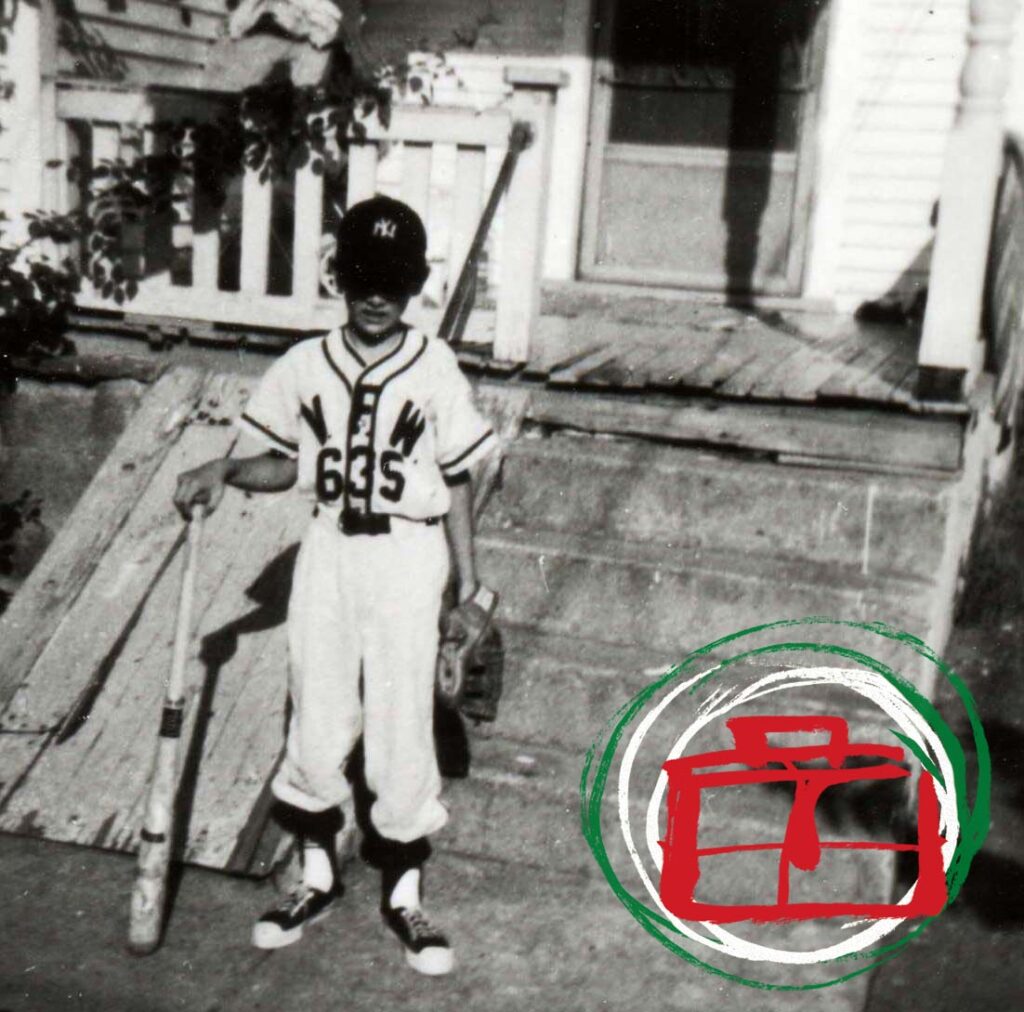
Foto Gallery

Collections

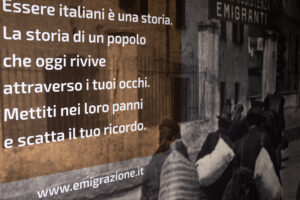
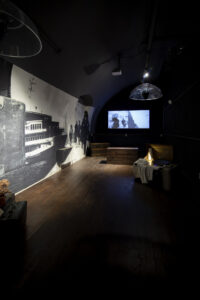
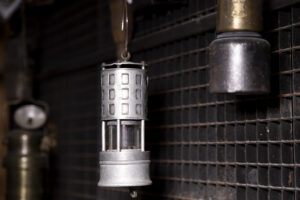
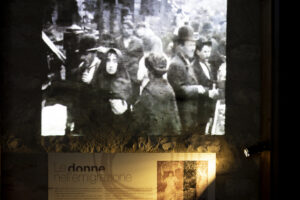
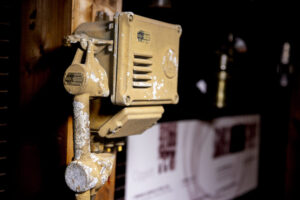
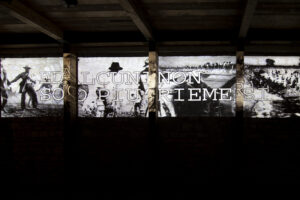
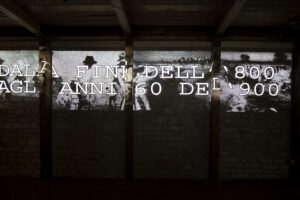
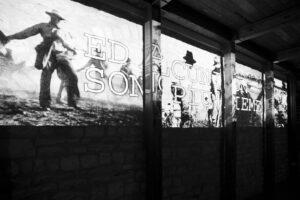
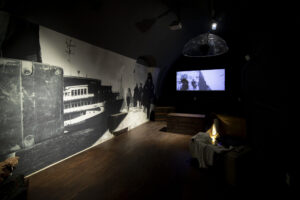
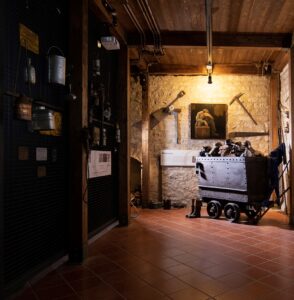
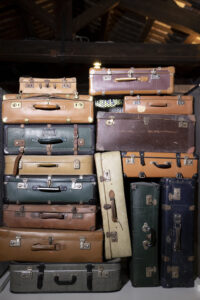
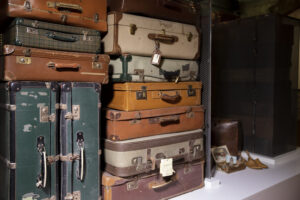
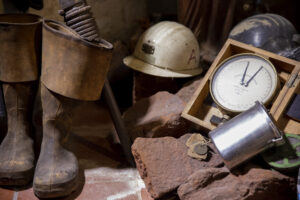
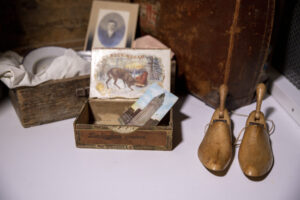
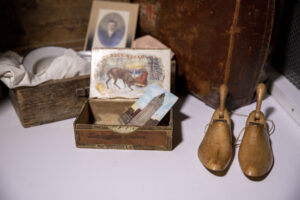
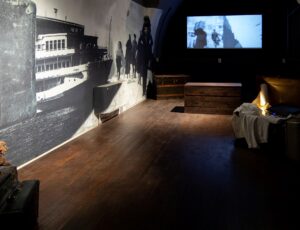
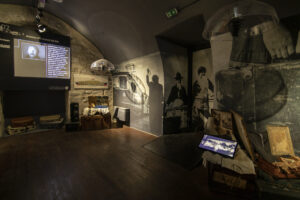
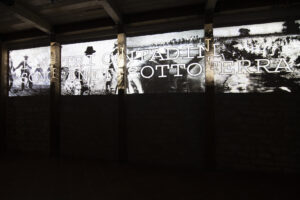
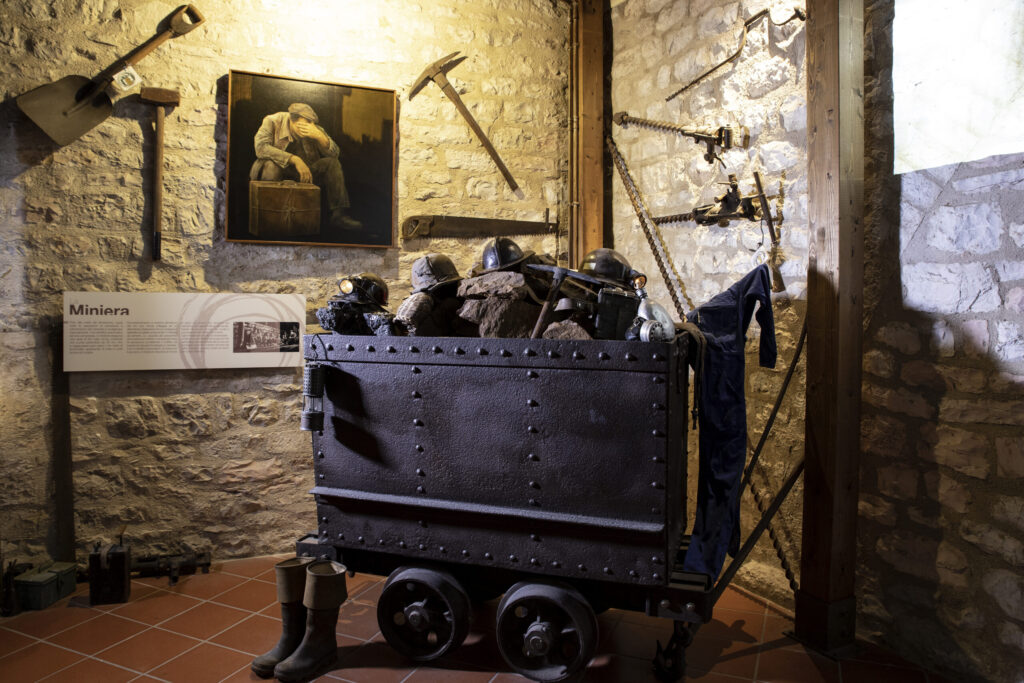
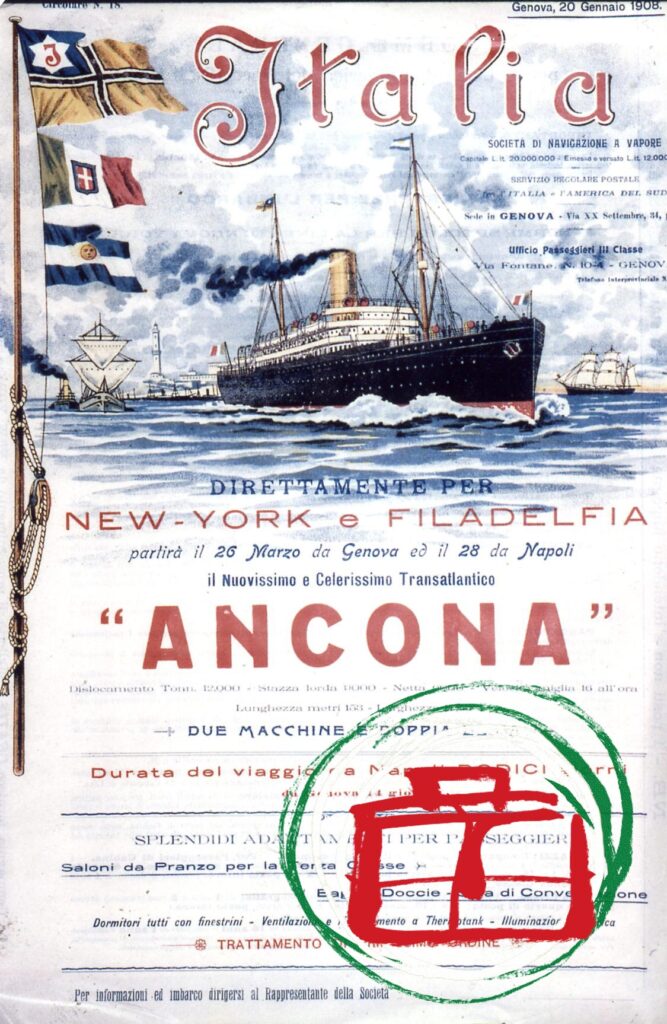
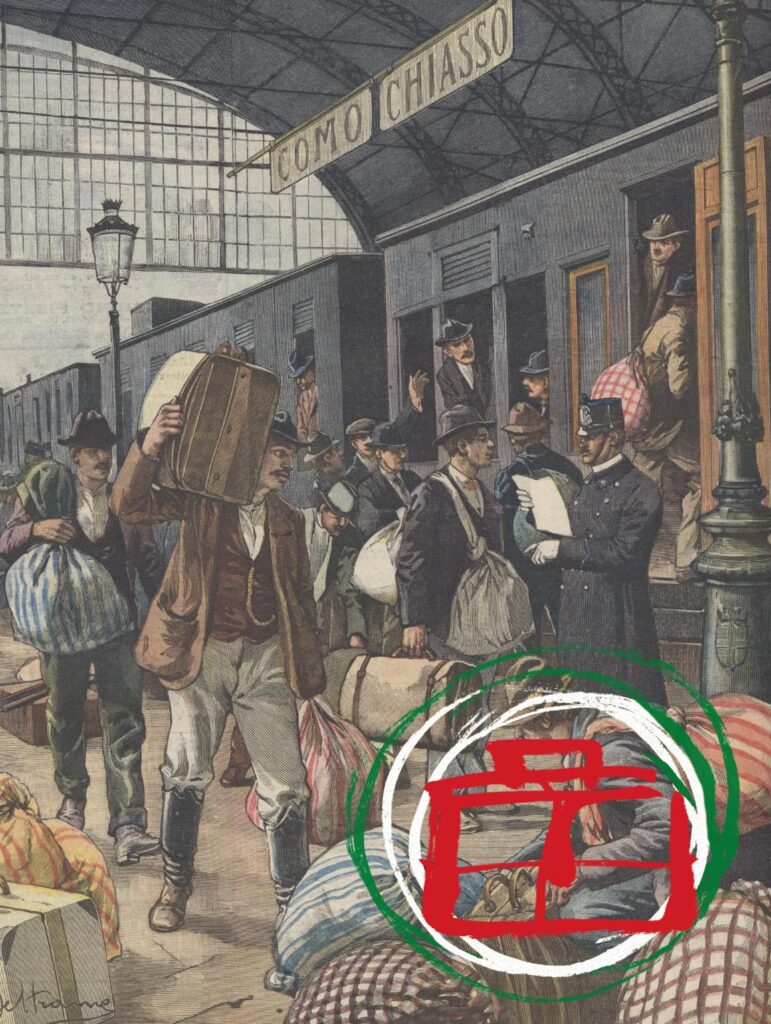
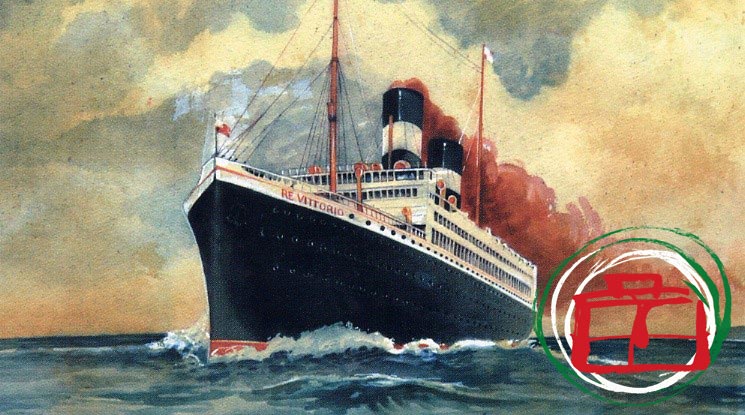
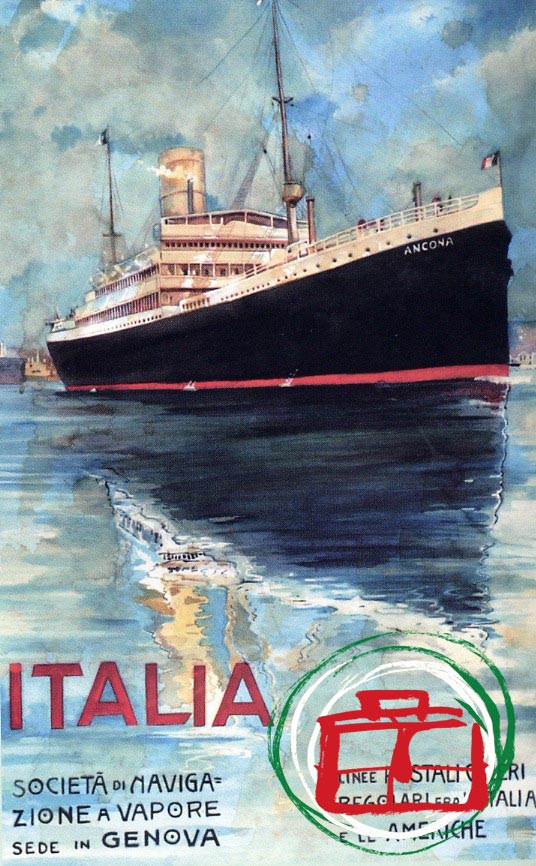
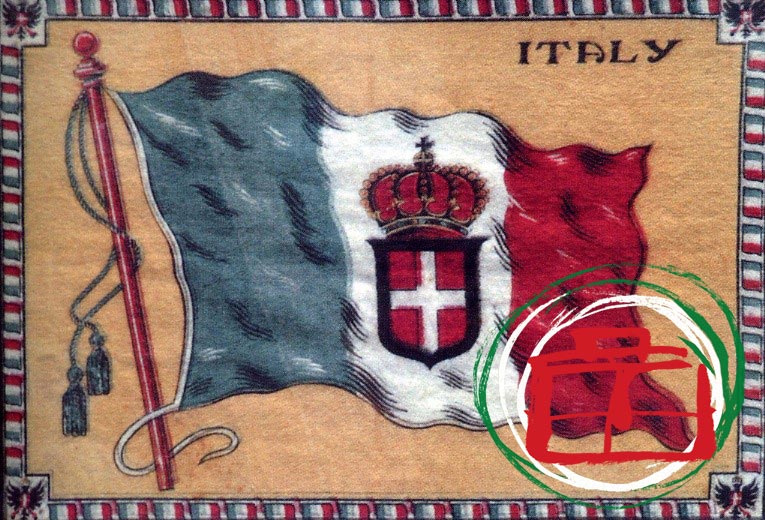
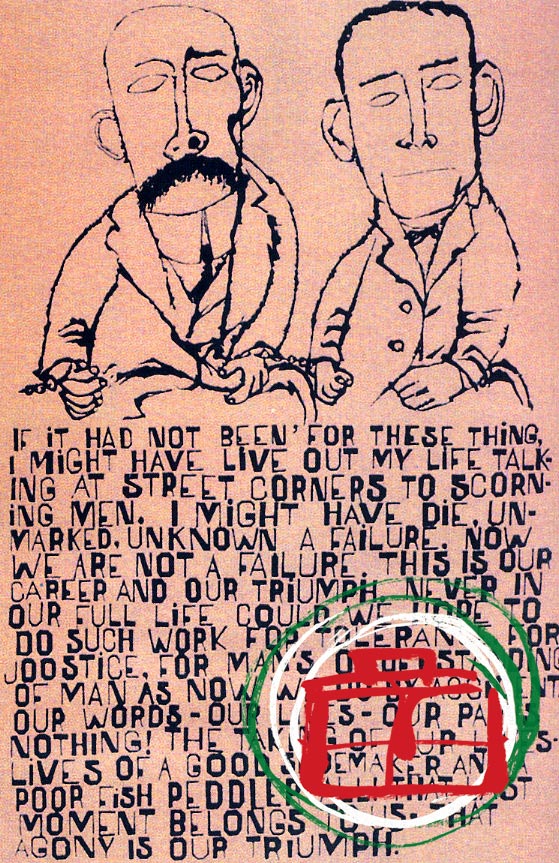
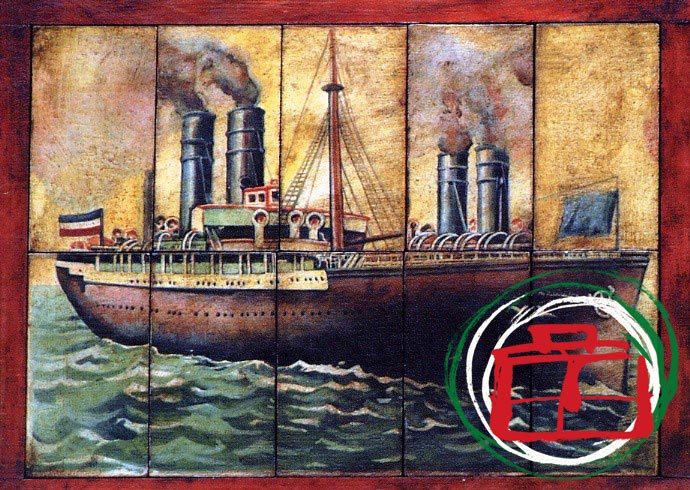
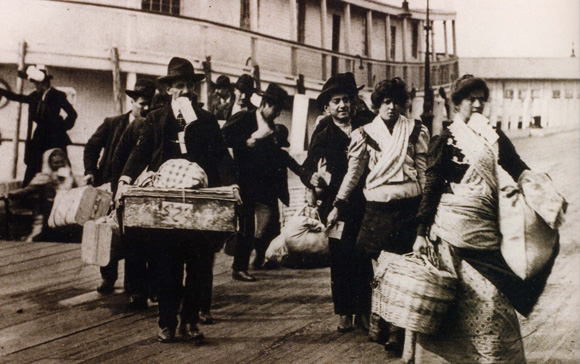
Housed in the historic Palazzo del Podestà and Civic Tower (12th century), the museum offers an immersive multimedia journey retracing the timeline of emigration, structured in three phases: arrival, journey, and departure.
Select a category...
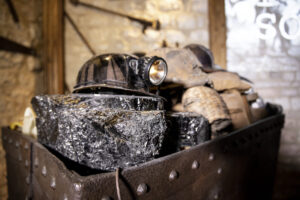
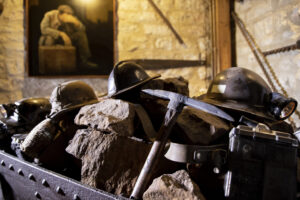
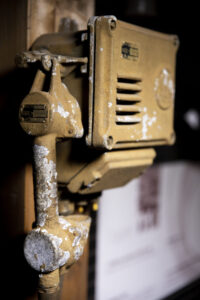
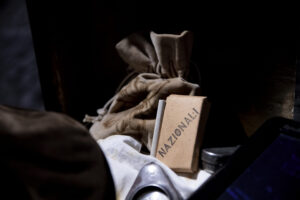
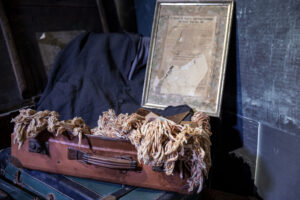
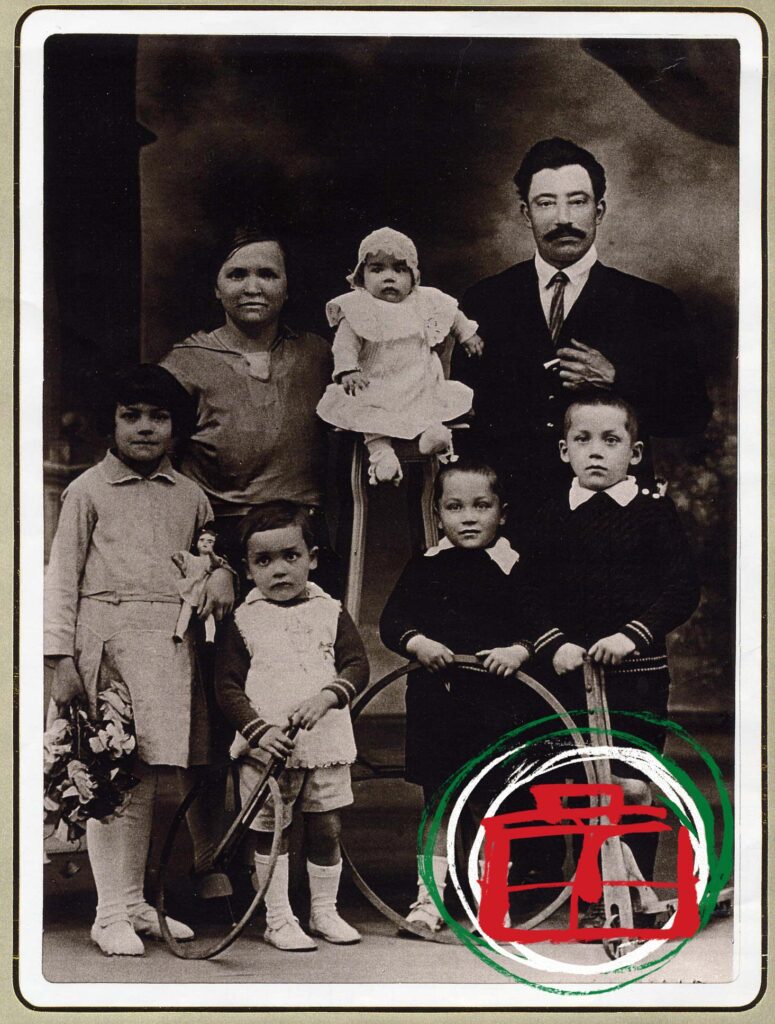
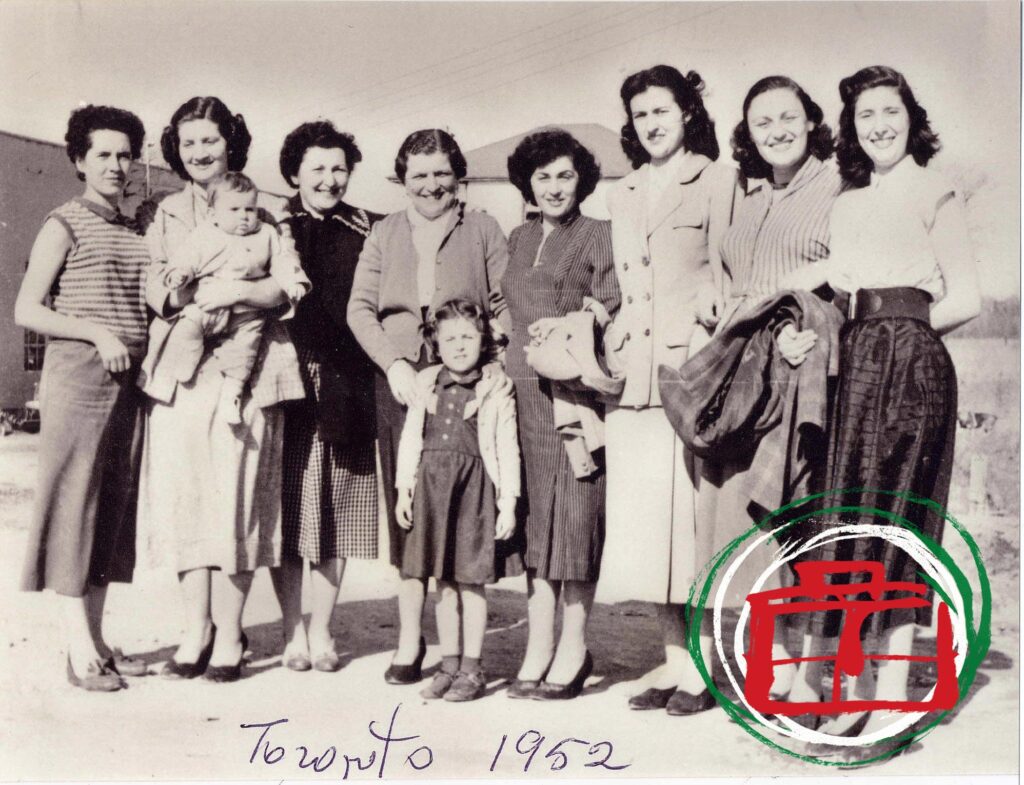
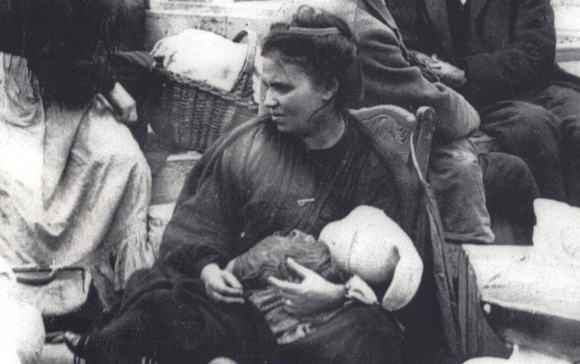
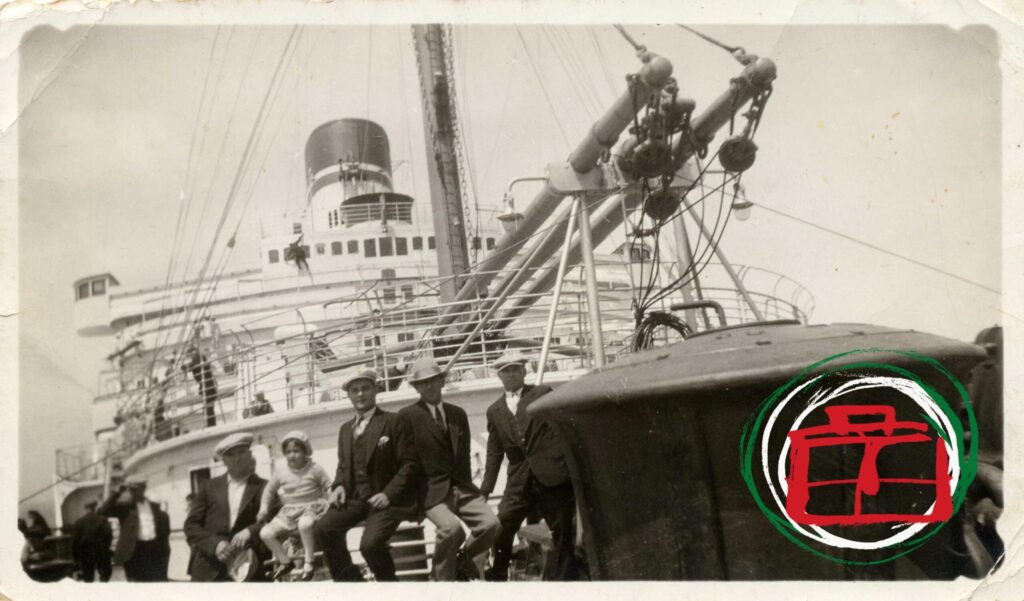
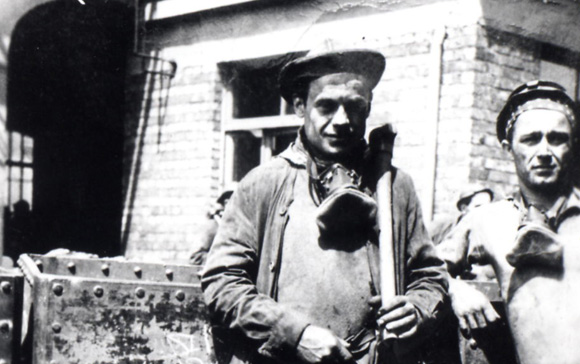
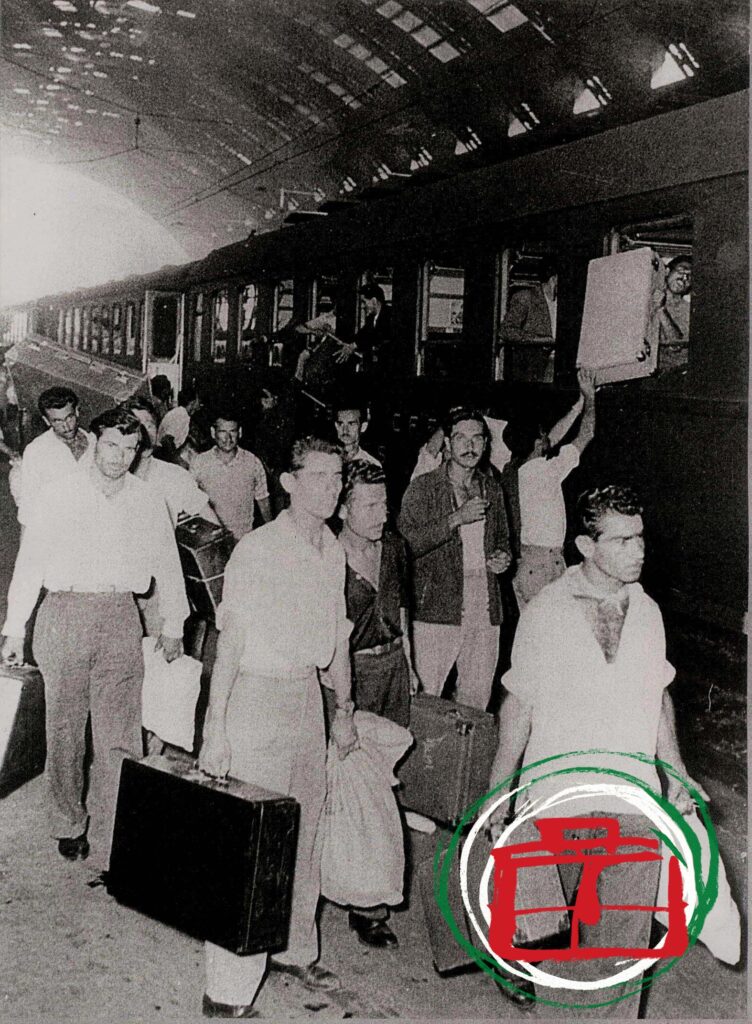
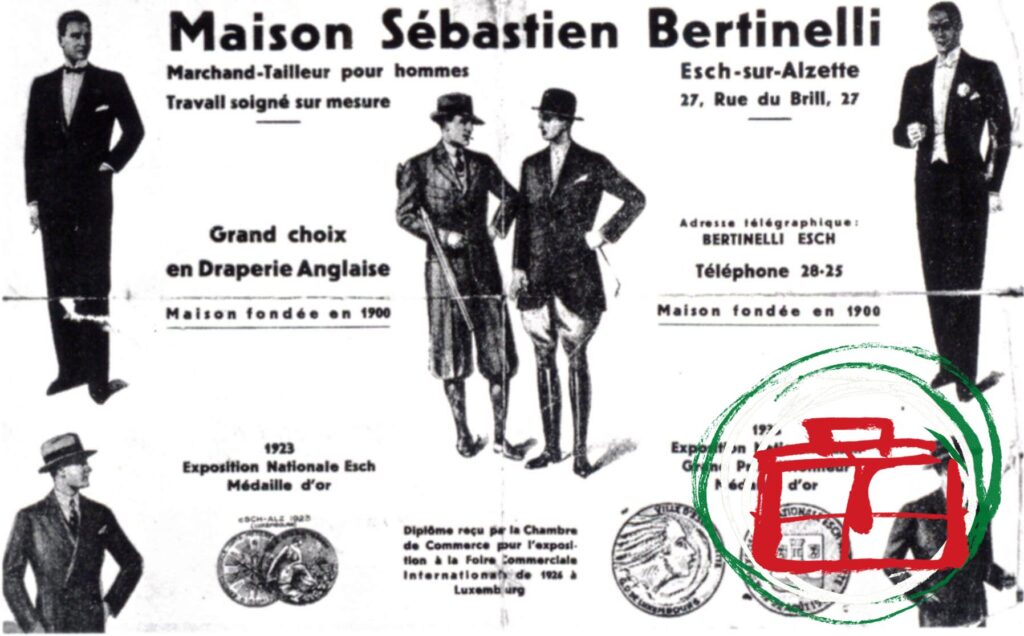
  • Photo from the photographic collection of the “Pietro Conti” Museum of Emigration
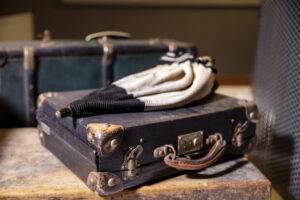
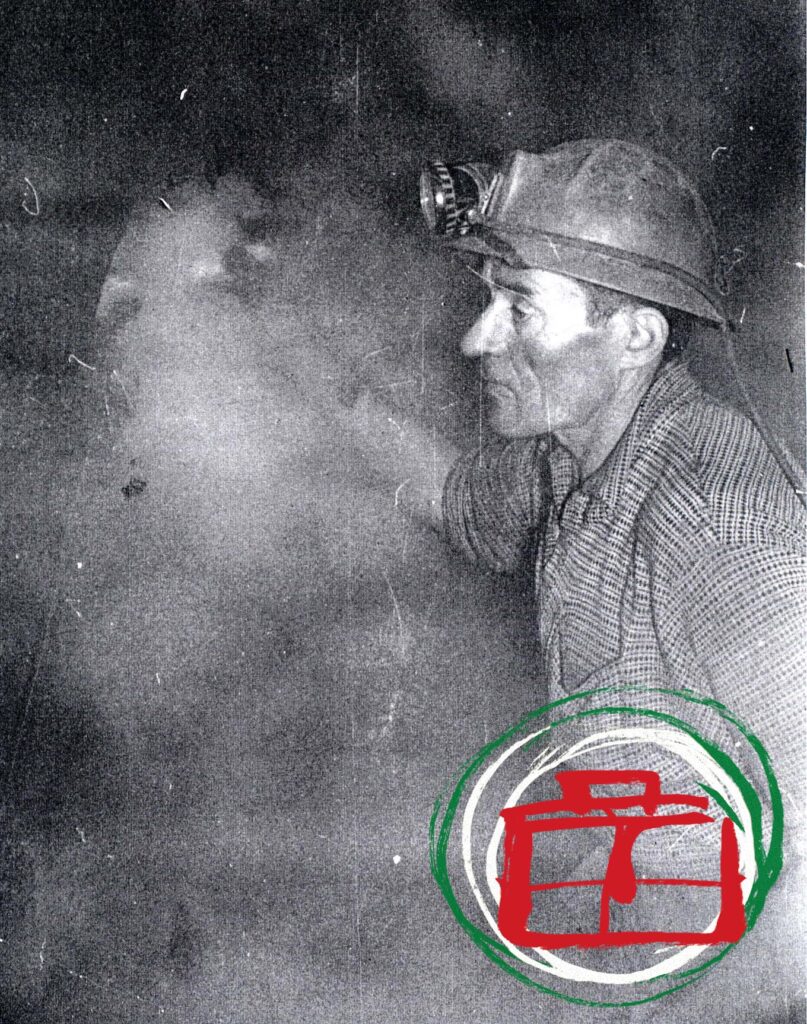
  • Photo from the photographic collection of the “Pietro Conti” Museum of Emigration
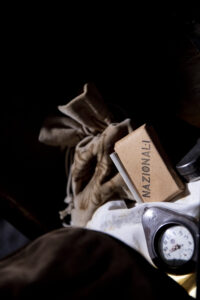
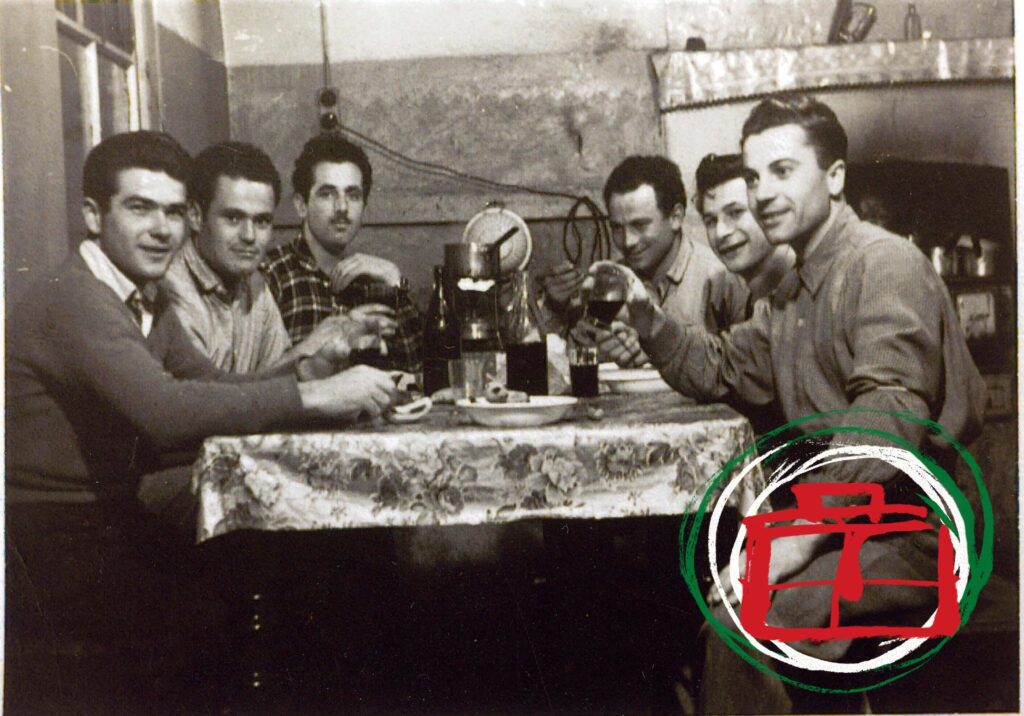
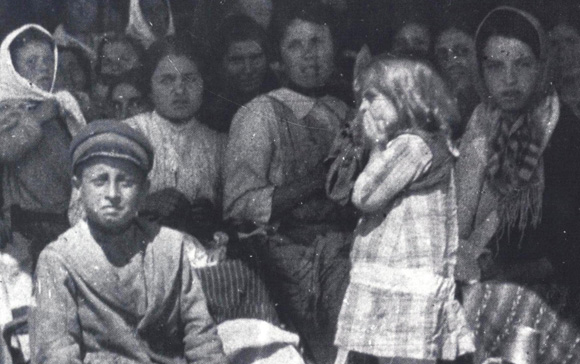
  • Photo from the photographic collection of the “Pietro Conti” Museum of Emigration
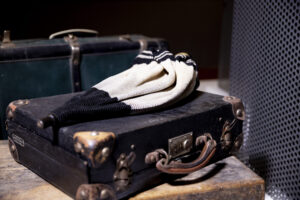
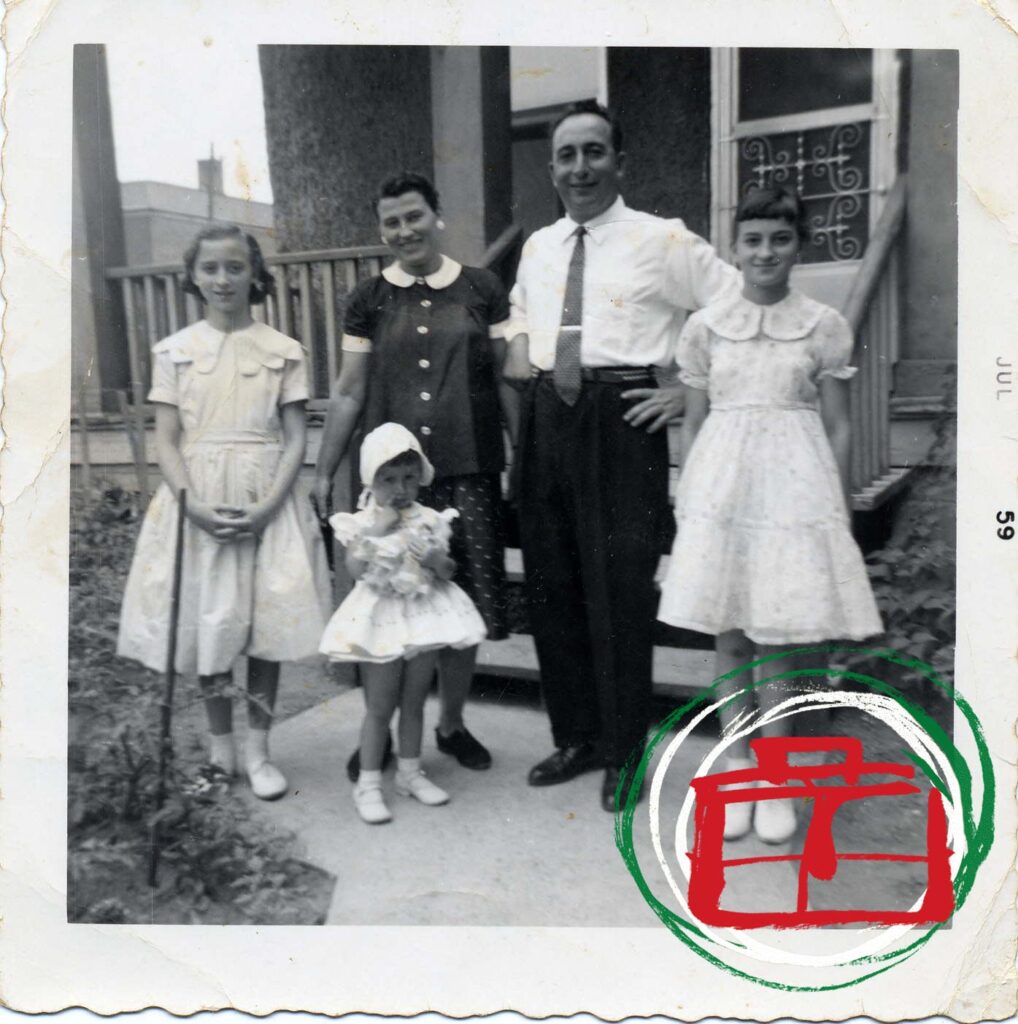
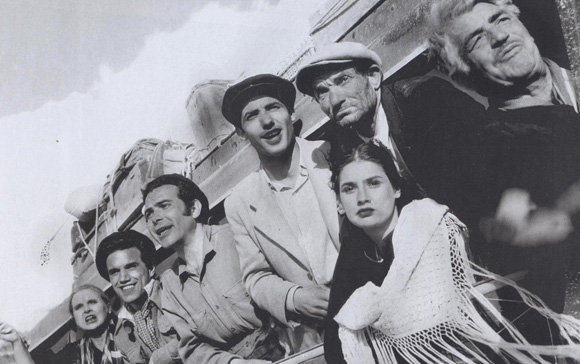
  • Foto proveniente dall'fotografico del Museo dell’Emigrazione “Pietro Conti"
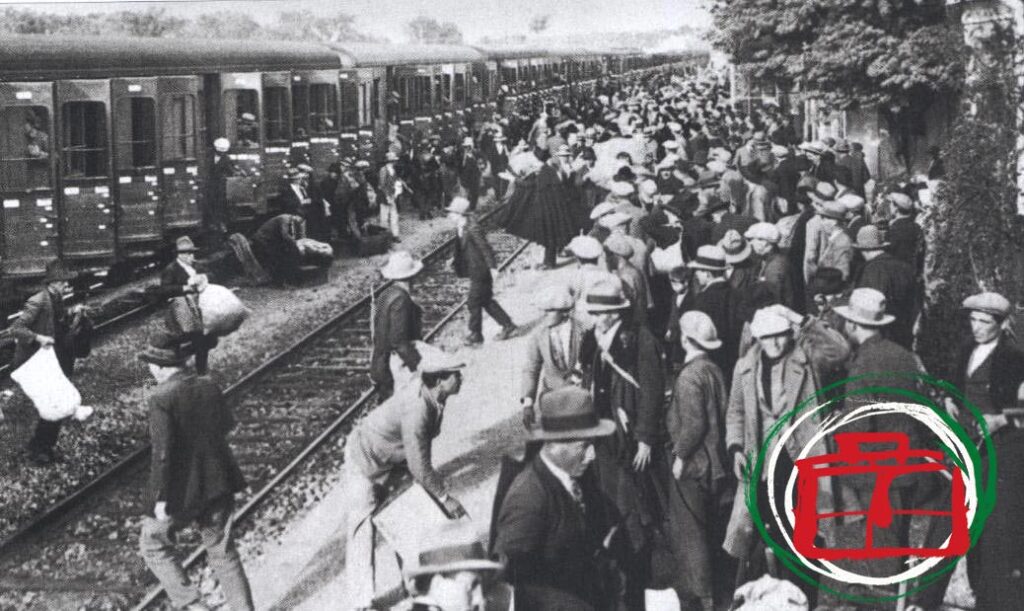
  • Photo from the photographic collection of the “Pietro Conti” Museum of Emigration
  • Photo from the photographic collection of the “Pietro Conti” Museum of Emigration
  • Photo from the photographic collection of the “Pietro Conti” Museum of Emigration
  • Photo from the photographic collection of the “Pietro Conti” Museum of Emigration
  • Photo from the photographic collection of the “Pietro Conti” Museum of Emigration
  • Photo from the photographic collection of the “Pietro Conti” Museum of Emigration
  • Photo from the photographic collection of the “Pietro Conti” Museum of Emigration
  • Photo from the photographic collection of the “Pietro Conti” Museum of Emigration
  • Photo from the photographic collection of the “Pietro Conti” Museum of Emigration
  • Photo from the photographic collection of the “Pietro Conti” Museum of Emigration
  • Photo from the photographic collection of the “Pietro Conti” Museum of Emigration
  • Photo from the photographic collection of the “Pietro Conti” Museum of Emigration
  • Photo from the photographic collection of the “Pietro Conti” Museum of Emigration
  • Photo from the photographic collection of the “Pietro Conti” Museum of Emigration
  • Photo from the photographic collection of the “Pietro Conti” Museum of Emigration
  • Photo from the photographic collection of the “Pietro Conti” Museum of Emigration
  • Photo from the photographic collection of the “Pietro Conti” Museum of Emigration
  • Photo from the photographic collection of the “Pietro Conti” Museum of Emigration
  • Photo from the photographic collection of the “Pietro Conti” Museum of Emigration
  • Photo from the photographic collection of the “Pietro Conti” Museum of Emigration
  • Photo from the photographic collection of the “Pietro Conti” Museum of Emigration
  • Photo from the photographic collection of the “Pietro Conti” Museum of Emigration
  • Photo from the photographic collection of the “Pietro Conti” Museum of Emigration
  • Photo from the photographic collection of the “Pietro Conti” Museum of Emigration
  • Photo from the photographic collection of the “Pietro Conti” Museum of Emigration
  • Photo from the photographic collection of the “Pietro Conti” Museum of Emigration
  • Photo from the photographic collection of the “Pietro Conti” Museum of Emigration
  • Photo from the photographic collection of the “Pietro Conti” Museum of Emigration
  • Photo from the photographic collection of the “Pietro Conti” Museum of Emigration
  • Photo from the photographic collection of the “Pietro Conti” Museum of Emigration
  • Photo from the photographic collection of the “Pietro Conti” Museum of Emigration
  • Photo from the photographic collection of the “Pietro Conti” Museum of Emigration
  • Photo from the photographic collection of the “Pietro Conti” Museum of Emigration
  • Photo from the photographic collection of the “Pietro Conti” Museum of Emigration
  • Photo from the photographic collection of the “Pietro Conti” Museum of Emigration
  • Photo from the photographic collection of the “Pietro Conti” Museum of Emigration

A centre for research and memory

In addition to the permanent exhibition, the museum serves as a research hub, educational centre, and audiovisual archive.
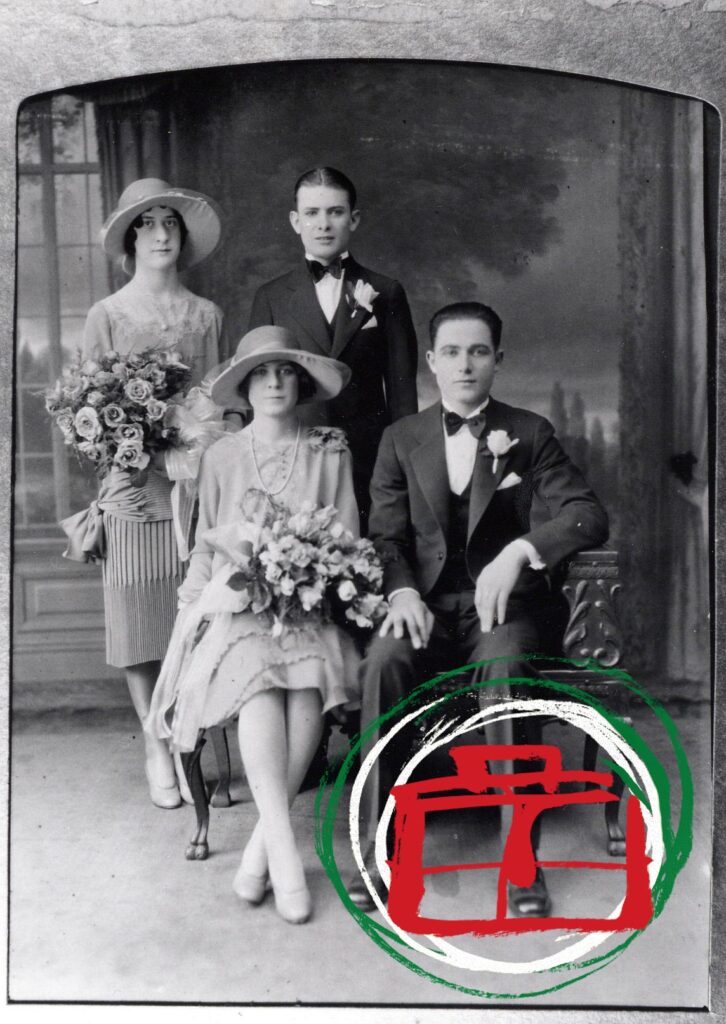
It holds hundreds of documents, images, and stories from all Italian regions and an important audiovisual archive with materials from RAI Teche (Italy’s national broadcaster archives) and Swiss Italian Radio & TV, providing a unique account of twentieth-century migration.
Services

Accessibility

Accessibility

Bookshop

Bookshop

Educational workshops

Educational workshops

Projections and rooms

Projections and rooms

Interactive technologies

Interactive technologies

Guided tours

Guided tours