The experience
Preparatevi per un’affascinante panoramica della Sicilia occidentale, una terra che ha vissuto una vita intensa, ricca di avvenimenti storici che si estendono dall’VIII secolo a.C. fino ai nostri giorni. Il nostro itinerario vi porterà attraverso un territorio che racconta storie millenarie, abbracciando l’architettura punico-greca, l’arte arabo-normanna, il barocco siciliano e l’eleganza dell’Art Nouveau.
Iniziamo il nostro viaggio da Marsala, una cittadina che custodisce una storia intrigante. Qui, non sono i siciliani, ma un gruppo di intraprendenti inglesi, giunti sull’isola nel 1806, a segnare un’epoca. Arrivati in Sicilia per contrastare l’influenza francese durante il regno di Ferdinando IV di Borbone, questi inglesi scoprirono un’isola meravigliosa, ricca di bellezze naturali e potenzialità inesplorate.
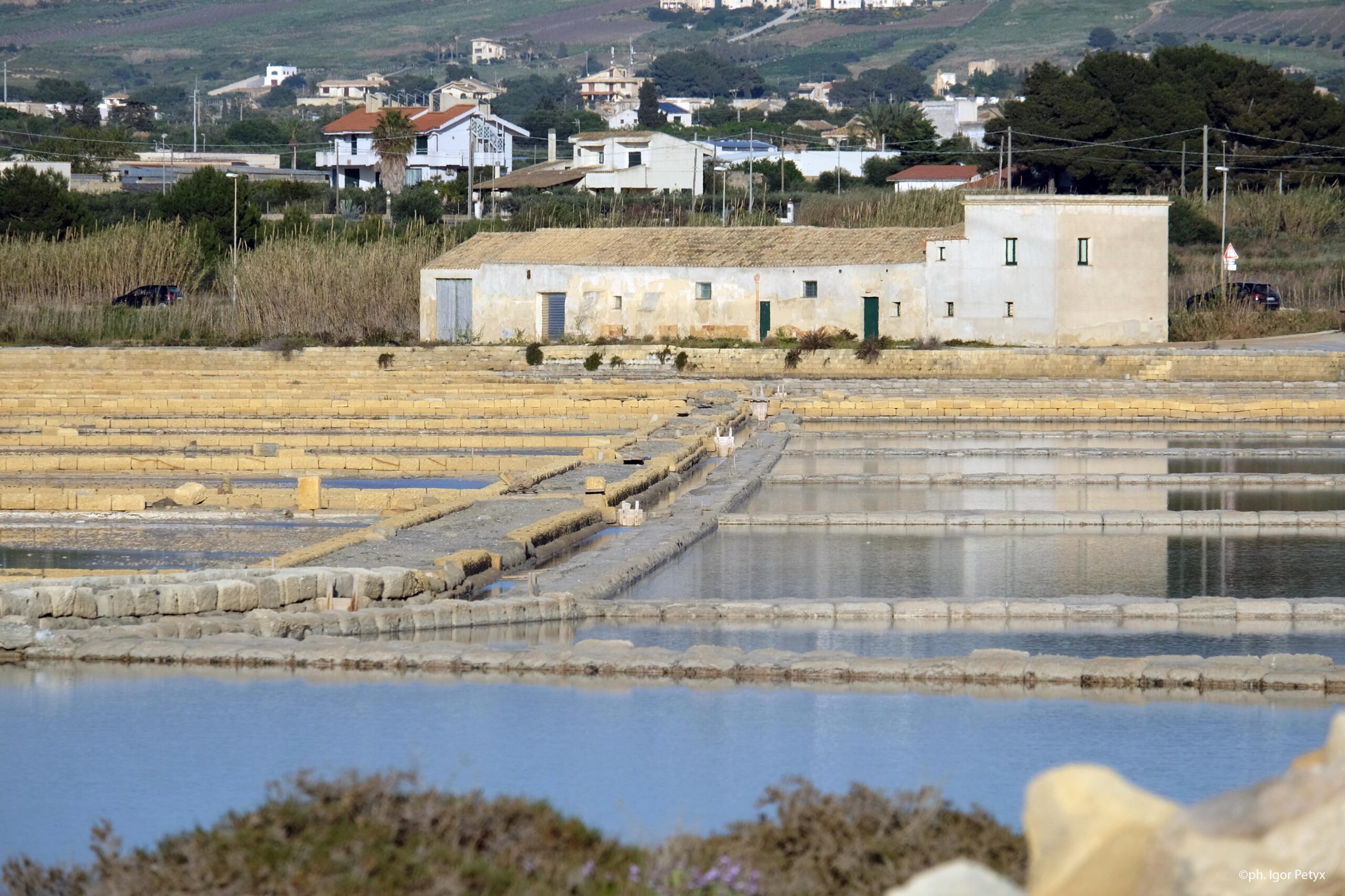
Da questo incontro di culture nasce la produzione del celebre vino Marsala, un dolce nettare liquoroso che ha conquistato il mondo. Parallelamente, gli inglesi svilupparono la coltivazione del sale, con i suoi scenografici mulini a vento, e trasformarono la pesca del tonno, un antico rituale, in una fiorente industria.
Il nostro itinerario culmina a Favignana, la perla dell’arcipelago delle Egadi. Quest’isola incantevole vi accoglierà con le sue spiagge bianche e le acque cristalline, un paradiso terrestre che incanta i visitatori con la sua bellezza incontaminata.
Lungo il percorso, faremo tappa in alcune delle località archeologiche più significative della Sicilia. Visiteremo Segesta, con il suo maestoso tempio dorico e il teatro greco perfettamente conservato. Mozia, un’isola museo che custodisce preziosi reperti fenici, vi offrirà uno sguardo sulla civiltà antica.
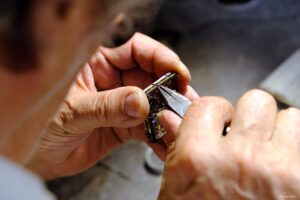
Proseguendo il viaggio, ci addentreremo nel periodo medievale con una visita a Erice, un borgo incantevole arroccato su una montagna, le cui strade lastricate in pietra e le chiese antiche vi trasporteranno in un’epoca lontana. Concluderemo a Trapani, città famosa per la lavorazione del corallo e per le sue tradizioni marinare.
Questo tour vi offrirà un’immersione totale nella cultura, nella storia e nella bellezza naturale della Sicilia occidentale, un’esperienza indimenticabile che vi lascerà con il desiderio di tornare ancora e ancora
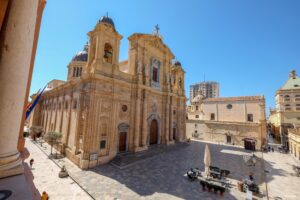 In the morning, transfer to the pier, the small and characteristic port, from which we will reach the island of Mozia. The name of this particular archaeological site is closely linked to the name of the English Whitaker family, in particular to the eccentric Pip, who fell in love with the place and was passionate about archaeology, and decided to buy the island to carry out archaeological excavations. Pip is also the founder of the Antiquarium, where he and his wife Tina collected all the artifacts. The beautiful marble statue of the Young Man also comes from Mozia.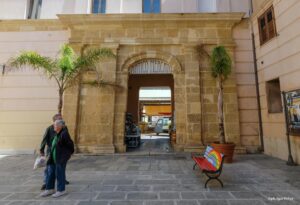
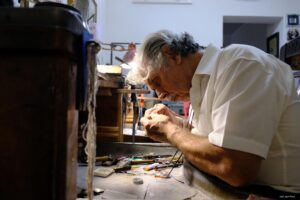 In the morning transfer to Trapani, the ancient Drepanon, the “sickle” that, according to mythology, Ceres lost during her race riding a chariot pulled by winged snakes.